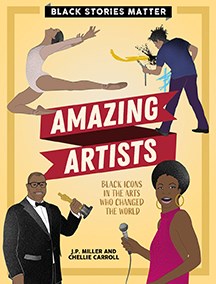
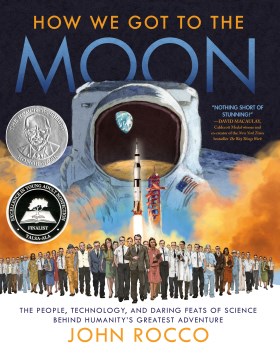
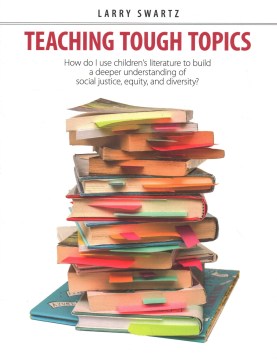
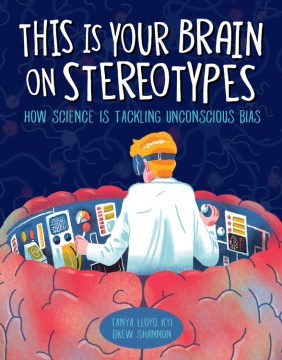
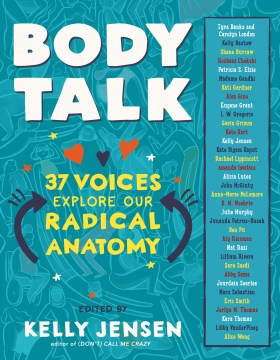
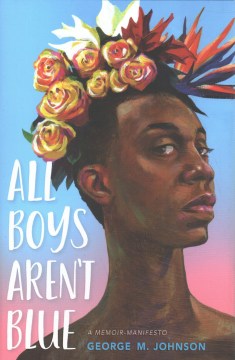
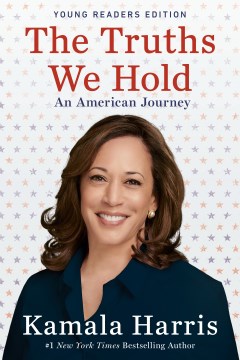
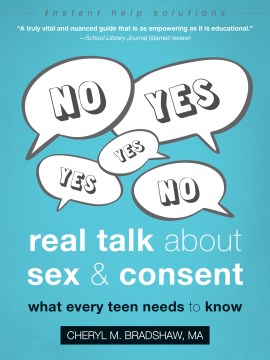
Check out some of the non-fiction titles that are new to us:
Category: Libraries






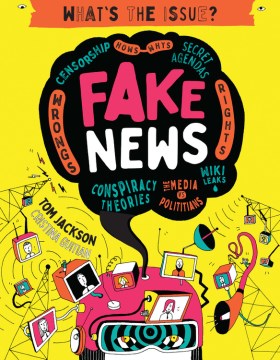

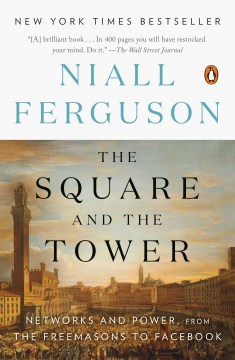


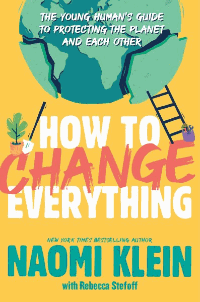
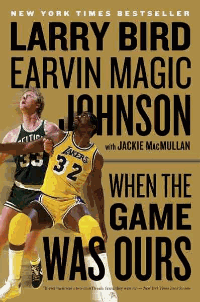





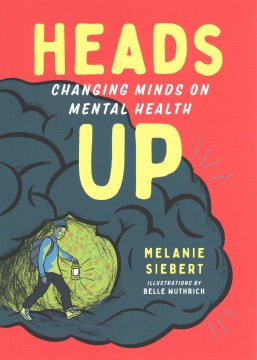

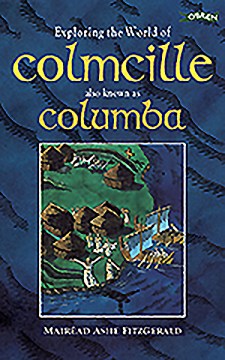

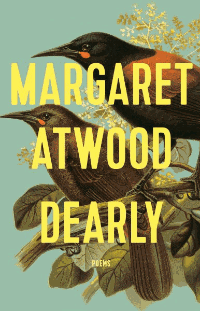
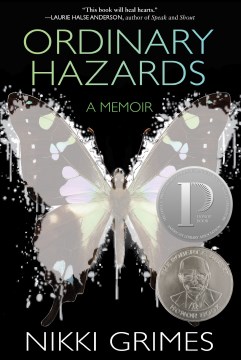
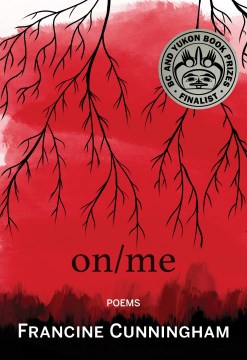
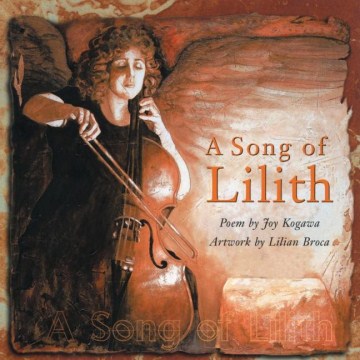
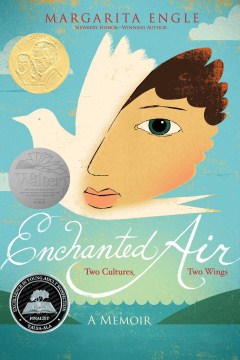
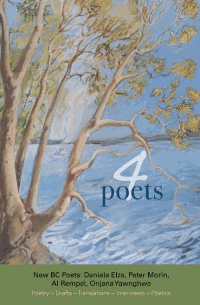
April is Poetry Month
Enjoy poetry in all its forms. Read poetry. Listen to poetry. Write poetry. Speak poetry. Sing poetry. April is a chance to celebrate what we should be doing all year, enjoying poetry.
Come down to the School Library to check out our display for Poetry Month, including poetry collections, anthologies, books about poets, memoirs in verse, novels in verse, and more.
















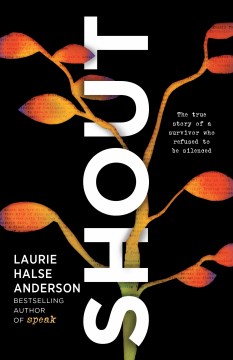


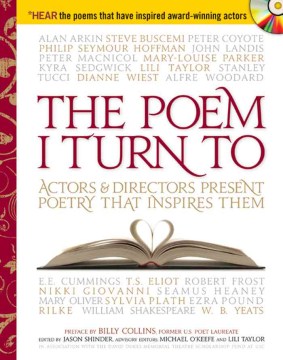

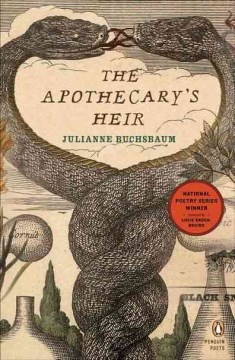

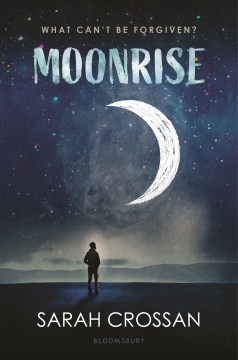


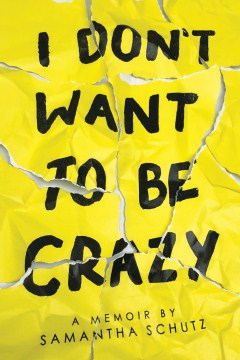

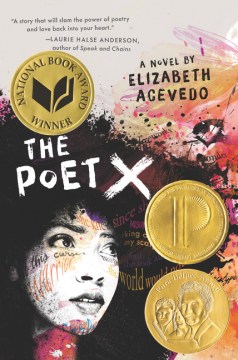
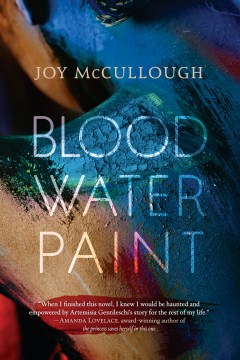

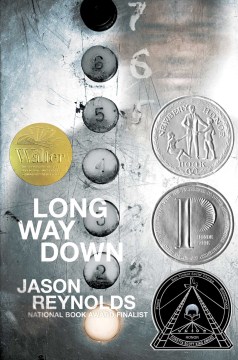
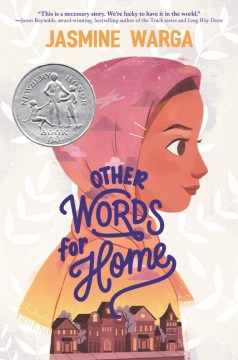

IWD 2021
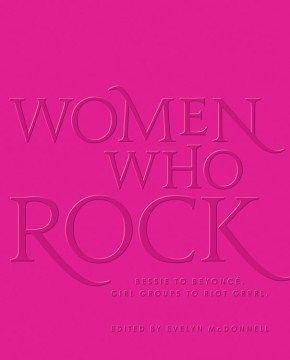
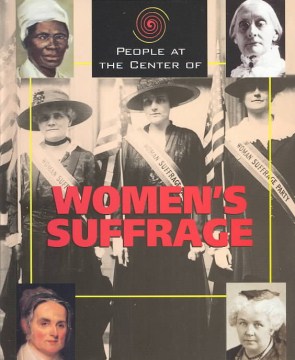
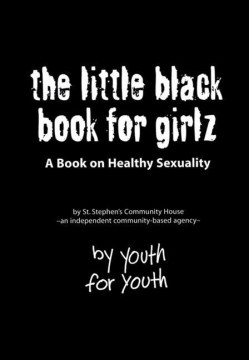
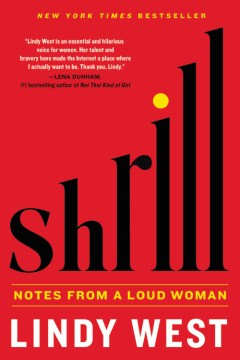
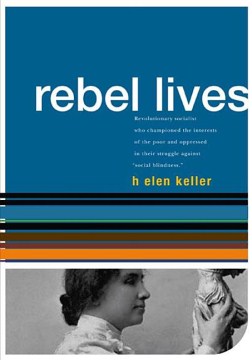
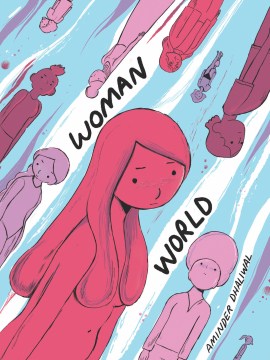
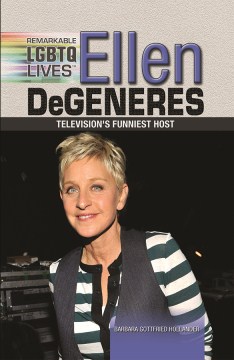
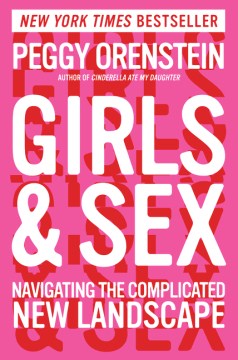
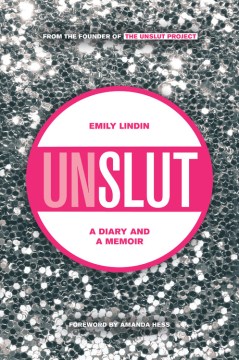
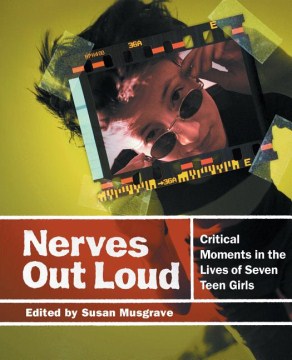
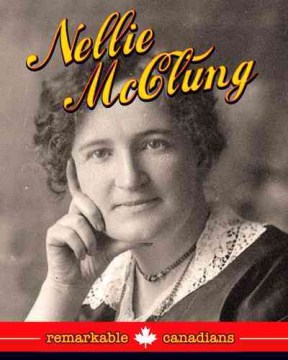
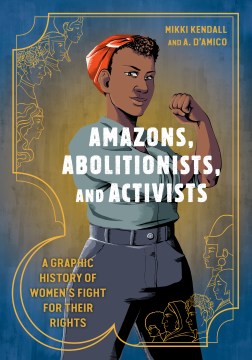
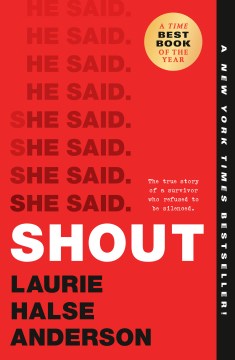
More titles to browse for International Women’s Day







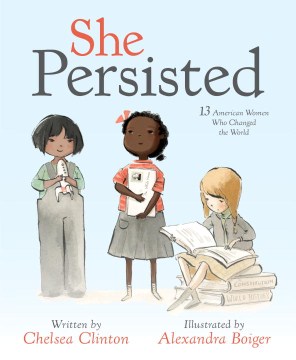

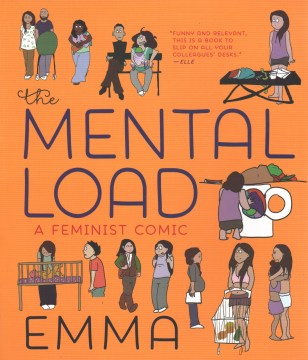

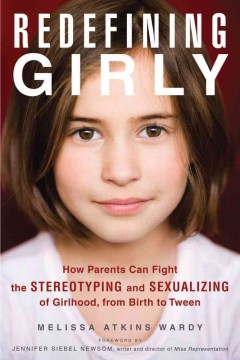
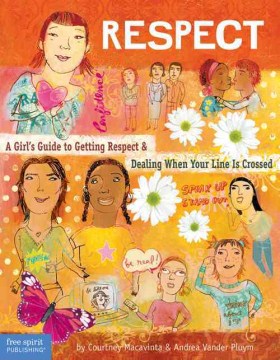
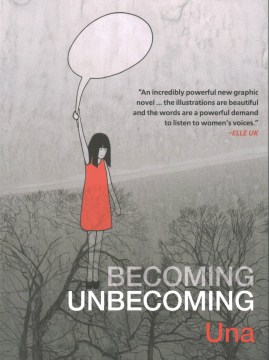
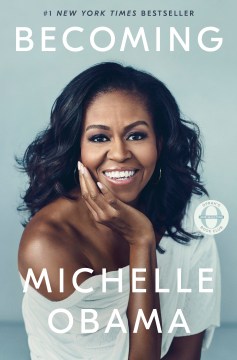


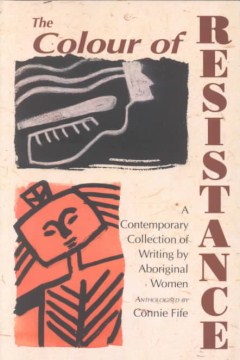
























Freedom to Read; Obligation to Read
As Freedom to Read Week comes to an end, it bears considering that the freedom to read means nothing if citizens don’t exercise that that freedom.
“The man who does not read has no advantage over the man who cannot read.”
Source: Unknown*
The rights and freedoms of Canadians include the right to read what you want to read. Such rights and freedoms are fundamental to democracy. Yet there are forces at work in our society that seek power by attaching your rights, including attempts to censor or limit your freedom to read.
Authoritarian forces and totalitarian states know that uneducated and illiterate citizens are easier to control and oppress. Such forces can only celebrate that the work is much simpler when significant portions of the population choose not to read. Censorship becomes less pressing when “aliteracy” becomes prevalent.
A true democracy guarantees fundamental rights and freedoms to its citizens. But to work effectively, indeed, to survive, democracy requires that citizens exercise those rights. In particular, democracy breaks down if citizens aren’t educated, informed and active.
The rise of powerful new information technology in the last few decades has made it more important than ever that citizens are highly “information literate.” Citizens must not only have access to information, they must have the tools required to wade through increasingly destructive levels of misinformation, disinformation, propaganda, and outright lies. Citizens need to have access to information that is credible, accurate and trustworthy.
The rise of anti-intellectualism and anti-science movements, perhaps most recently represented by anti-vax conspiracies, are part of the wider breakdown of democratic institutions. There is little doubt that attacks on public education over many years have reaped some these results and are integral to the rise of authoritarianism.
It is not enough to celebrate the Freedom to Read. As citizens of democratic societies, we have an obligation to exercise our Freedom to Read, in part so that we are equipped to defend our democratic rights and freedoms.
It is clear that democracy is under attack, throughout the world, and in our back yard. We must act.

Note* The above quote, or variations on it, are often popularly attributed to Mark Twain. However the original source of this quote, or its variations, remains unclear.
Freedom to Read Week
Freedom to Read Week celebrates your freedom to read what you choose to read.
These books have all been challenged.
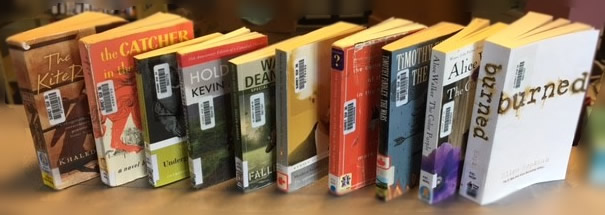
A challenge means that at some point in Canada, someone or some group has said that you shouldn’t be reading these books in school, or borrowing them from libraries, or in some cases, even buying them from stores.

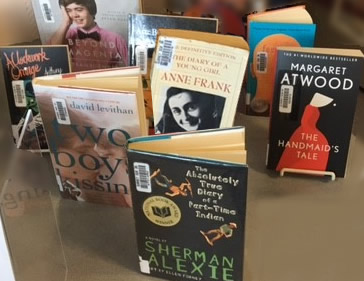
Freedom to Read Week is a chance to celebrate your freedom to read what you choose to read. It is also a time to reflect on the ongoing battle to protect that freedom. What better way to celebrate Freedom to Read Week, and to exercise your rights and freedoms, than to read a book– maybe even one of these.
Find out more about books that have been challenged in Canada:

Freedom to Read Week
Your Freedom to Read is protected by Canada’s Charter of Rights and Freedoms. Your Freedom to Read is also in the Universal Declaration of Human Rights.

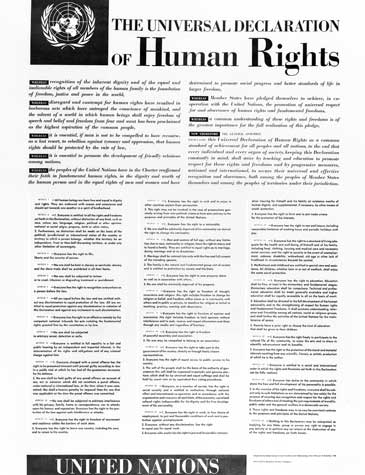

Find out more:
Canadian Charter of Rights and Freedoms
Universal Declaration of Human Rights

Lunar New Year
The Lunar New Year is observed on February 12, and multiday, even multiweek festivals begin around the world today. The celebrations around this event include many different local practices and are known by many names around the world, including the Spring Festival; the Lantern Festival; Tet (Vietnam); Seollal (Korea); Koshogatsu or “Little New Year” (Japan); Chinese New Year (mainly in North America). People in Canada, especially people of East Asian descent, will join with people around the world to celebrate new year and look forward to the Year of the Ox.
The lunar calendar, based on the cycles of the moon, does not match up with the solar calendar, based on the orbit of the earth around the sun. Therefore holidays based on the lunar calendar will change dates from year to year on the Gregorian Calendar, the solar calendar most commonly used by Canadians and people around the world for most scheduling related to business, politics and science, if not cultural and religious observances.
Find out more about Lunar New Year:
School Library FAQ 3
School Library FAQ 3: “Can I print in the library?”
Click on “Leave a Comment” below to share your answer. Check back for a future School Library FAQ to see our answer. We will also have a new question or two for you.
In School Library FAQ 2 we asked, “How do I borrow a book? Where do I go and what do I need?”
When you come to the School Library and find a book that you want to borrow, head to the Circulation Desk. This is the main counter near the front doors. The Teacher Librarian or another member of the Library Team will be there to assist you– if nobody is there, you will need to say (in a LOUD voice), “I need help!” You might need to continue to ask for help until a Library Team member comes to the desk to assist you.
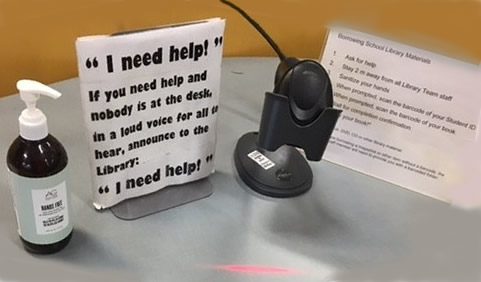
When directed to do so, you will use the self-checkout station to scan your library card (student id card.) Then you will scan the library barcode on the book. If everything is in order, congratulations, you have successfully borrowed the book!
If you have any overdue books, unpaid fines, or if you are over your limit, you won’t be able to borrow any more books until you sort out the issues. If you have questions about any of those things, you will need to talk with the Teacher Librarian.
You have most books and other materials for three weeks. If you still want to keep the book longer than that, you can usually renew the book for as long as you need to.
You can also borrow books without even physically entering the library! Go here to read about how to place holds and even get books delivered to you.
Use the site menu or click here to go to our site FAQ page to see other Frequently Asked Questions.
School Library FAQ 2
In last week’s “School Library FAQ” we asked, “What is fiction? What is nonfiction?” Those are complex ideas and are most certainly “Frequently Asked Questions” that we have dealt with many times. Use the site menu or click here to go to our site FAQ page to see one answer that we came up with.
This week’s School Library FAQ: “How do I borrow a book? Where do I go and what do I need?”
Take some time to think about it. Click on “Leave a Comment” below to share your answer. Check back for a future School Library FAQ. We will also have a new question or two for you.
School Library FAQ
What is fiction? What is nonfiction? Even many Grade 12 students still have difficulty answering these questions. Give it some thought. Click on “Leave a Comment” (below) to share your answers. Check back for some of our answers in the next “School Library FAQ.”
We will also have a new question or two for you.
MLK Day
MLK Day is held on the 3rd Monday in January in honour of Dr. Martin Luther King Jr. While this is a National Holiday in the United States, MLK Day is also significant to Canadians and other people around the world who recognize the role that Dr. King played in the cause of anti-racism and how his legacy continues to play a vital role in the ongoing struggle for racial equality in the USA and around the world.
Check out our display of items on the life and times of Dr. King


It’s a Wonderful Christmas Cart of Books
The Holiday Reading Mobile Library Cart is making its way around the school. Be sure to take advantage and grab a book or two for your Christmas Holiday reading.

 Lord Tweedsmuir Secondary School Library