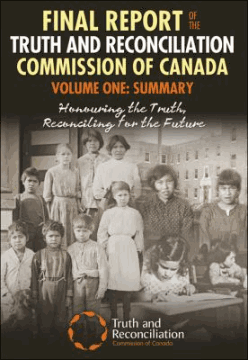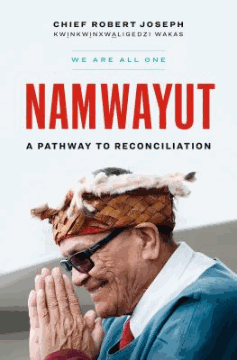
National Day for Truth & Reconciliation

The School Library, and Lord Tweedsmuir Secondary School, are closed on Monday, September 30, in observance of Canada’s National Day for Truth and Reconciliation. “The day honours the children who never returned home and Survivors of residential schools, as well as their families and communities. Public commemoration of the tragic and painful history and ongoing impacts of residential schools is a vital component of the reconciliation process.” (canada.ca). As always, we urge you to consider how “Truth & Reconciliation” can be pursued throughout the year beyond September 30.

Find out more:

IPC

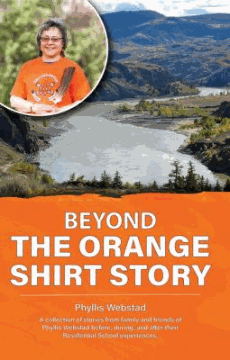
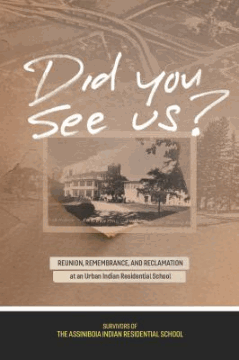
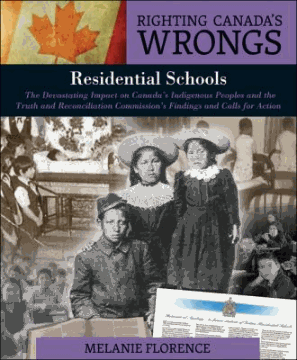
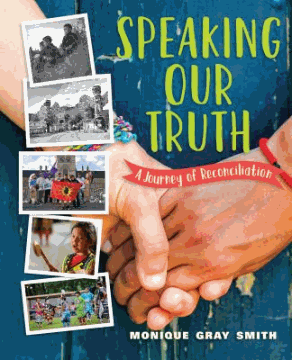
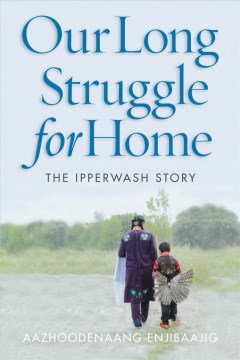
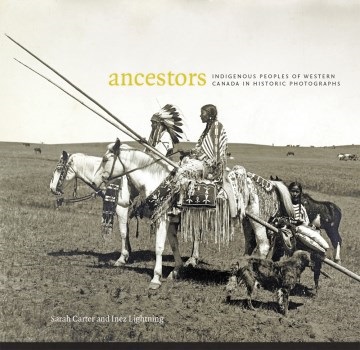
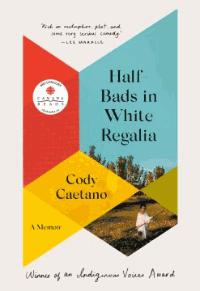
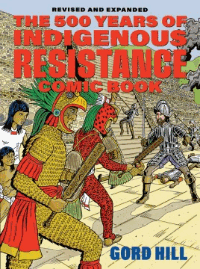
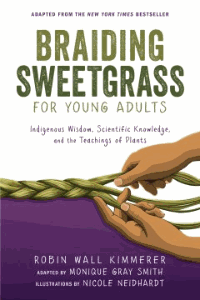
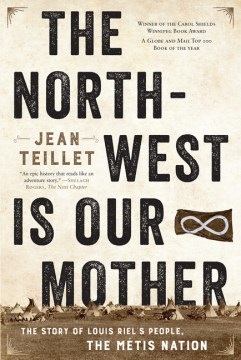
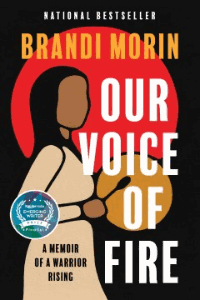
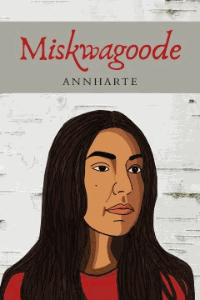
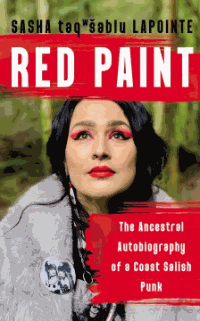
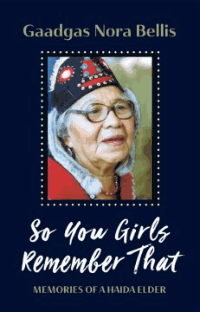
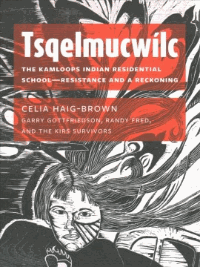
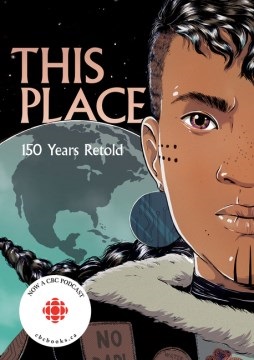
Come down to the School Library to check out our Indigenous Peoples Collection. As we observe Truth and Reconciliation Week here at Lord Tweedsmuir, what better time than now to take advantage of some of the excellent resources in our collection to learn more about this history and the current issues around Truth and Reconciliation?

Orange Shirt Day

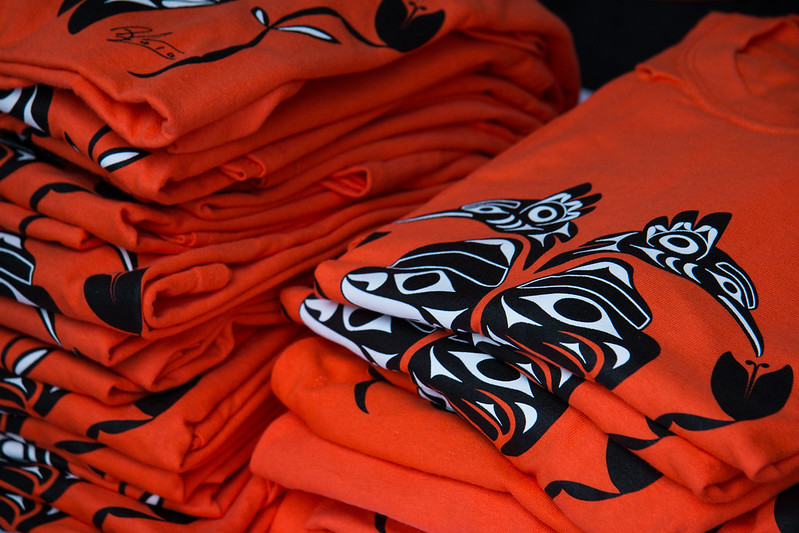
Wear an orange shirt to school on Thursday, September 26

September 30th is Truth and Reconciliation Day in Canada. Our school will be closed that day as the nation takes time to face the truth of our history and considers a path forward of reconciliation. As a school community, we continue to learn more about Truth and Reconciliation. At Lord Tweedsmuir Secondary, we encourage all students and staff to wear an orange shirt in school on Thursday, September 26, as well as on September 30th.

source: Province of British Columbia


The National Day for Truth and Reconciliation was established as the Canadian government’s formal recognition of the importance of Orange Shirt Day, observed on September 30 over most of the last decade, as part of the overall effort of raising awareness and provoking discussion about the impact of Residential Schools in Canada, and finding the path toward reconciliation.

Truth and Reconciliation Week

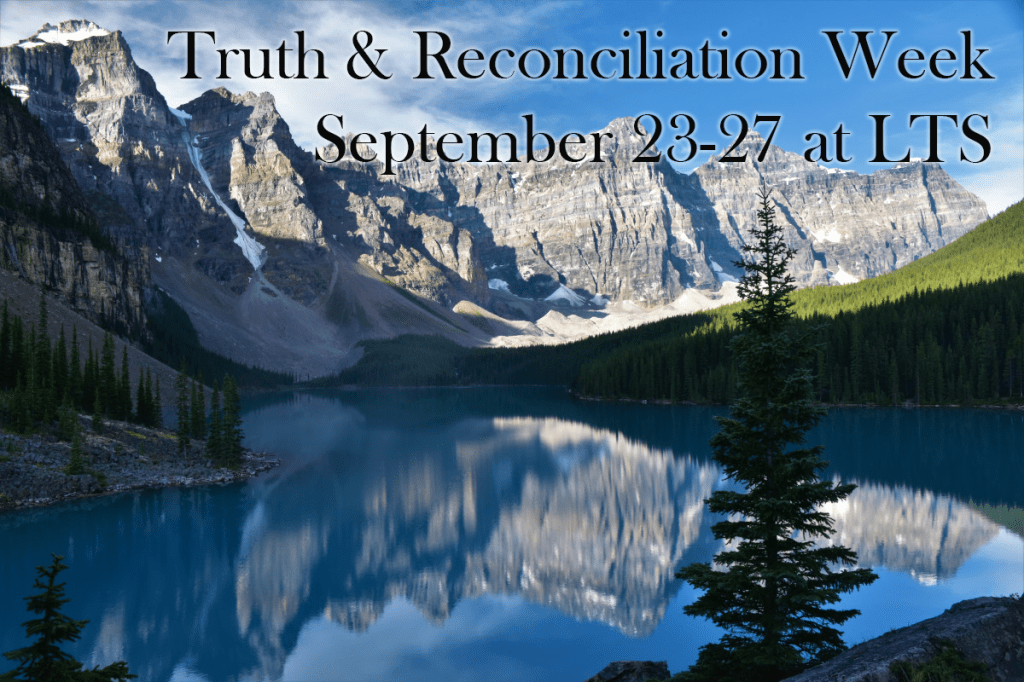
Lord Tweedsmuir Secondary School observes Truth and Reconciliation Week September 23 to 27, in preparation for the National Day for Truth and Reconciliation on Monday, September 30. Join with us in the school library to find out more.

Banned Books Week

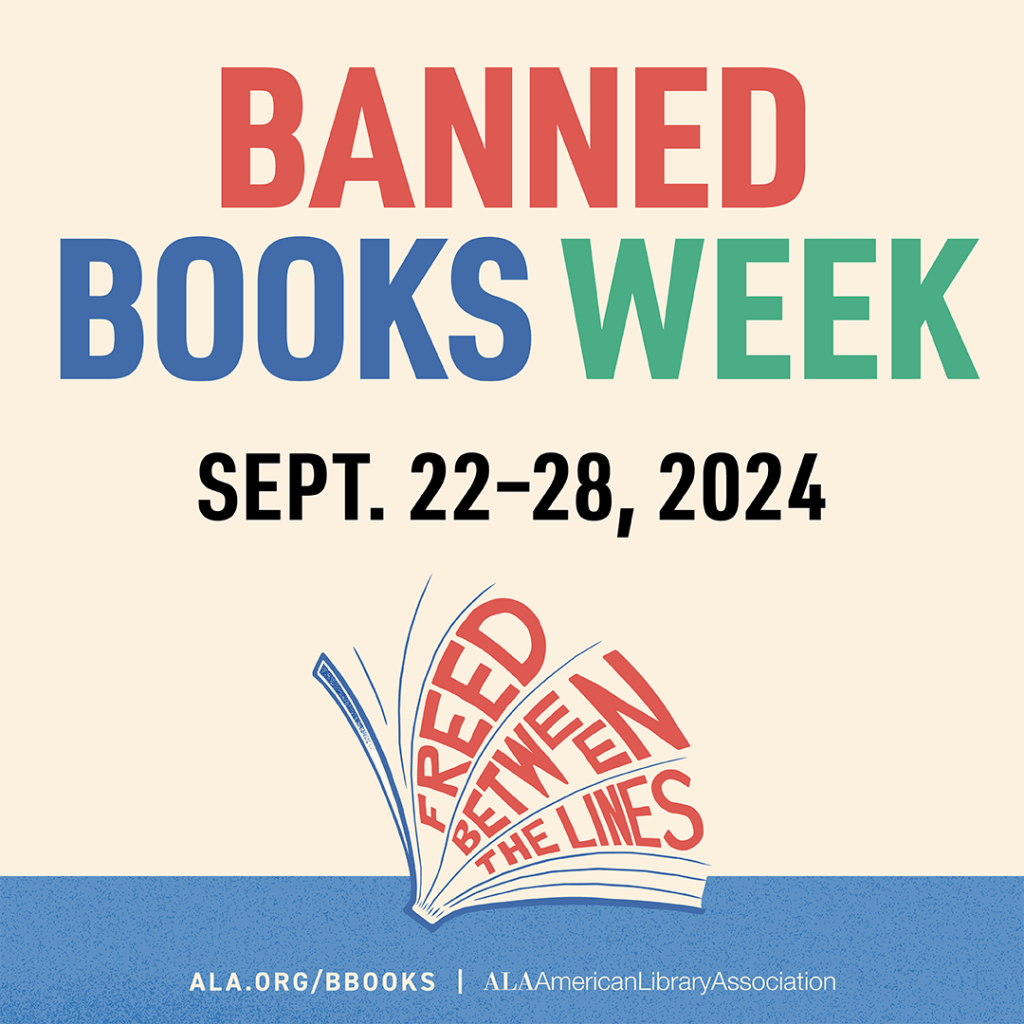
September 22 to 29 is the ALA’s “Banned Books Week.” While we in Canada observe the similar “Freedom to Read Week” in the new year, we can also join with our American neighbours in recognizing the very real threats to freedom and democracy that are posed by the massively sharp rise of book banning. The US has seen an especially concerted attack on books for teens about marginalized communities. We are not immune from such fascist tactics in Canada, as book challenges have risen in step with the rise of far right propaganda, and in most cases are centered on schools, classrooms and school libraries.

Find out more about Banned Books Week.

International Day of Peace

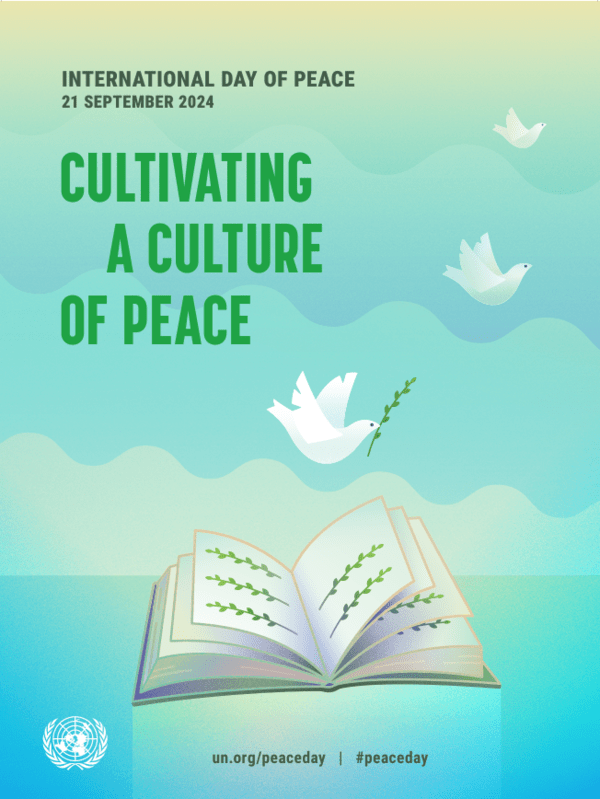
September 21 is the International Day of Peace, also known as World Peace Day.

The International Day of Peace was established by the United Nations to be observed every year on September 21.

From the UN: “This year marks the 25th anniversary of the United Nations General Assembly’s adoption of the Declaration and Programme of Action on a Culture of Peace… In that declaration, the United Nations’ most inclusive body recognized that peace “not only is the absence of conflict, but also requires a positive, dynamic participatory process where dialogue is encouraged and conflicts are solved in a spirit of mutual understanding and cooperation.” … The International Day of Peace has always been a time to lay down weapons and observe ceasefires. But it now must also be a time for people to see each other’s humanity. Our survival as a global community depends on that.”


Find out more:

United Nations International Day of Peace

International Day of Peace.org

UNESCO

National Indigenous Peoples Day


From the Government of Canada:

“June 21 is National Indigenous Peoples Day. This is a day for all Canadians to recognize and celebrate the unique heritage, diverse cultures and outstanding contributions of First Nations, Inuit and Métis peoples. The Canadian Constitution recognizes these three groups as Aboriginal peoples, also known as Indigenous peoples.

Although these groups share many similarities, they each have their own distinct heritage, language, cultural practices and spiritual beliefs.

In cooperation with Indigenous organizations, the Government of Canada chose June 21, the summer solstice, for National Aboriginal Day, now known as National Indigenous Peoples Day. For generations, many Indigenous peoples and communities have celebrated their culture and heritage on or near this day due to the significance of the summer solstice as the longest day of the year.”

Find out more:

 Crown-Indigenous Relations and Northern Affairs Canada

Indigenous Peoples and Communities

Indigenous arts, culture and heritage

Juneteenth

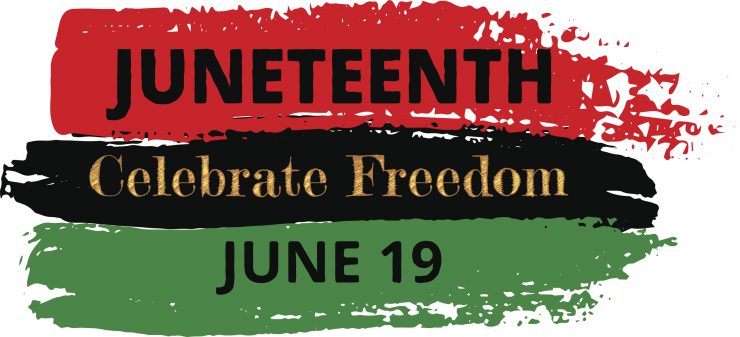
Also known by such names as Freedom Day and Jubilee Day, Juneteenth is a celebration of the end of slavery after the end of the American Civil War.

source: amny.com

Juneteenth has grown to be a day that is observed in the US and around the world, as it symbolizes not only the fight against the evil that is slavery, but also the fight against racism in all its forms. Slavery finally came to end in the US in 1865, but racism lies at the heart of so many of the evils that still haunt the United States, Canada, and indeed, humanity. Current issues such as Black Lives Matter, Critical Race Theory, are all just part of the ongoing and centuries old struggle against racism.

Find out more about Juneteenth:

source: mosaictemplars.com

National Indigenous History Month

June is National Indigenous History Month in Canada. Join us in your School Library as we learn more about the history of the Indigenous People of Canada, including the First Nations, Metis and Inuit.


Find out more:

Canada.ca

Yom HaShoah

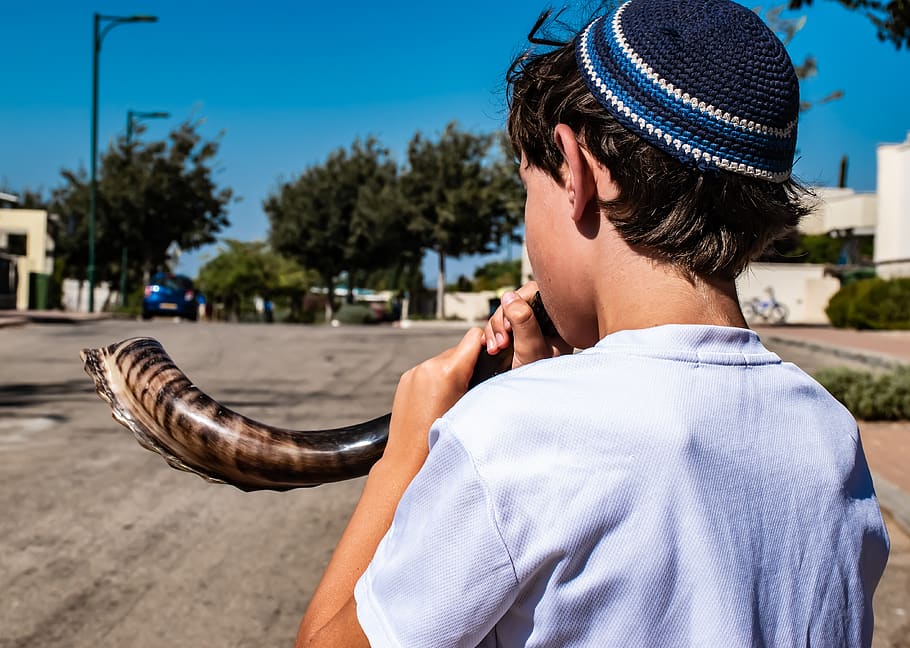
Yom HaShoah, or Holocaust Remembrance Day, is the day that Jews around the world remember the six million who perished in the Holocaust.  In Israel it is a national day of observance known officially as Yom Hazikaron laShoah ve-laG’vurah, in English “Holocaust and Heroism Remembrance Day.” In addition to remembrance of the unspeakable horrors of the Holocaust, the day is also used to celebrate acts of resistance and heroism on the part of survivors and allies.

This year Yom HaShoah begins on the evening of May 5 and continues until sundown on May 6.


Find out more about the Holocaust, the systematic mass-murder of more than 6 million Jews, and other groups, targeted by the Nazis and their allies:

World Press Freedom Day

May 3rd is World Press Freedom Day, as established by UNESCO / United Nations. The freedom of the press is essential to the establishment and health of democracy.  In our world of social media, misinformation, disinformation, fake news and conspiracy theories, more than ever we need a free, independent, professional and ethical press.

source: UNESCO

Find out more: