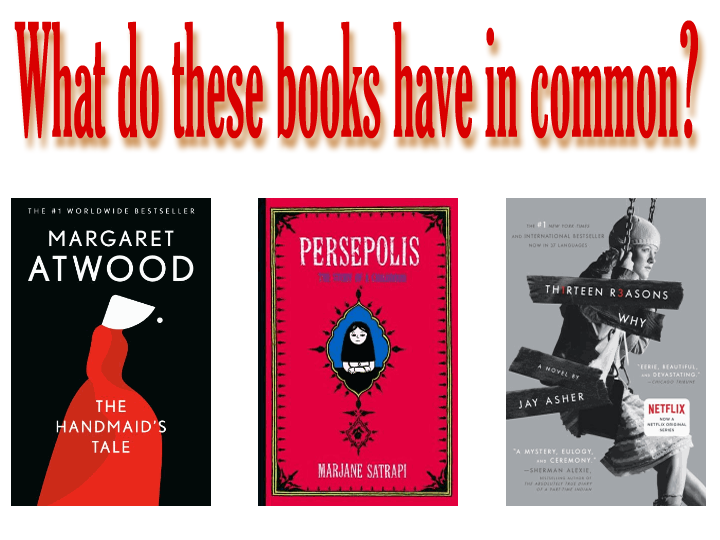
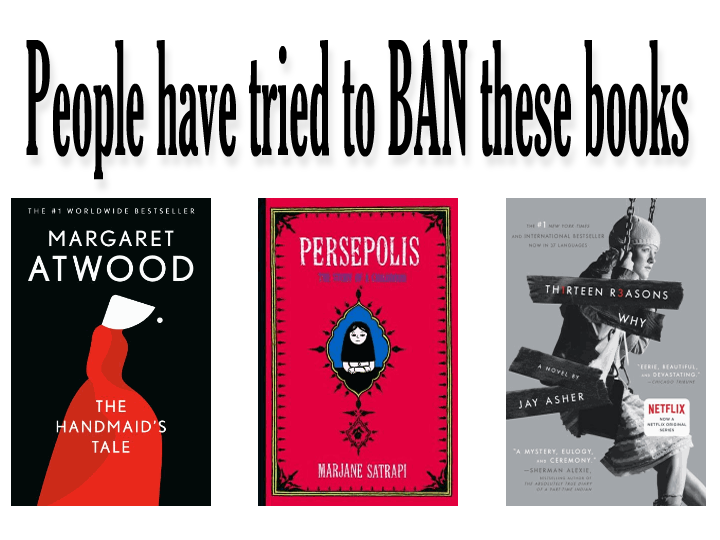
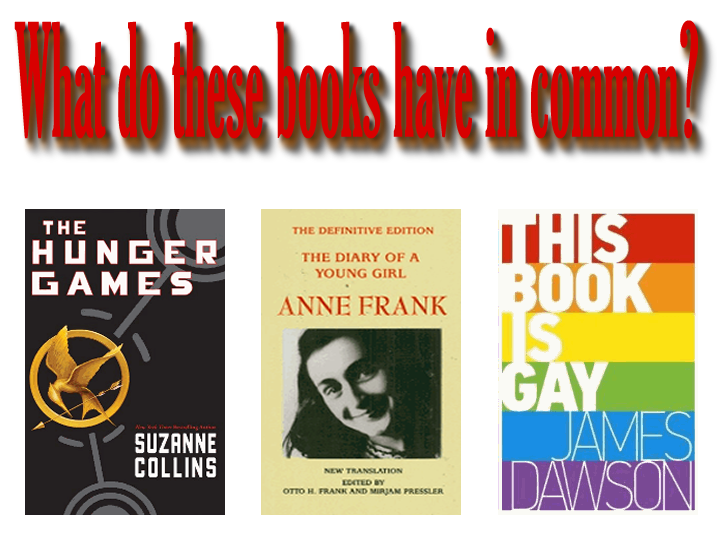
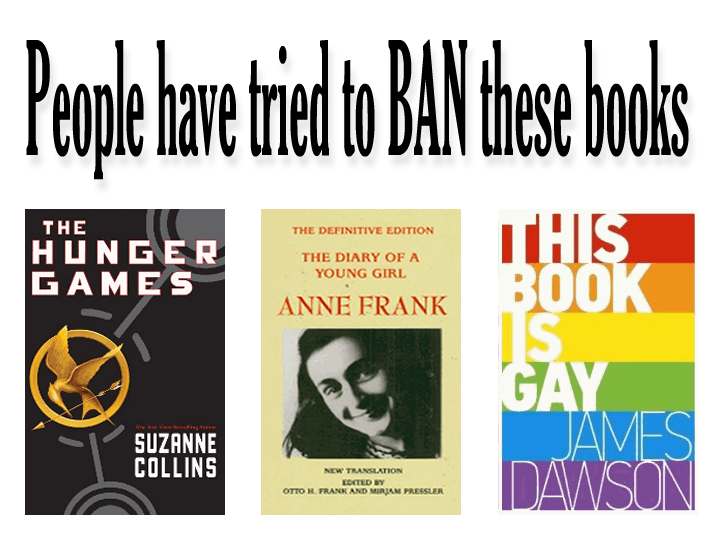
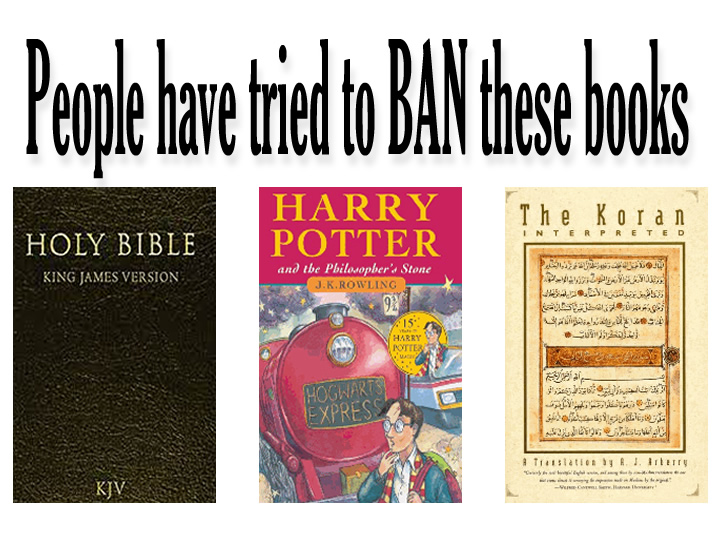
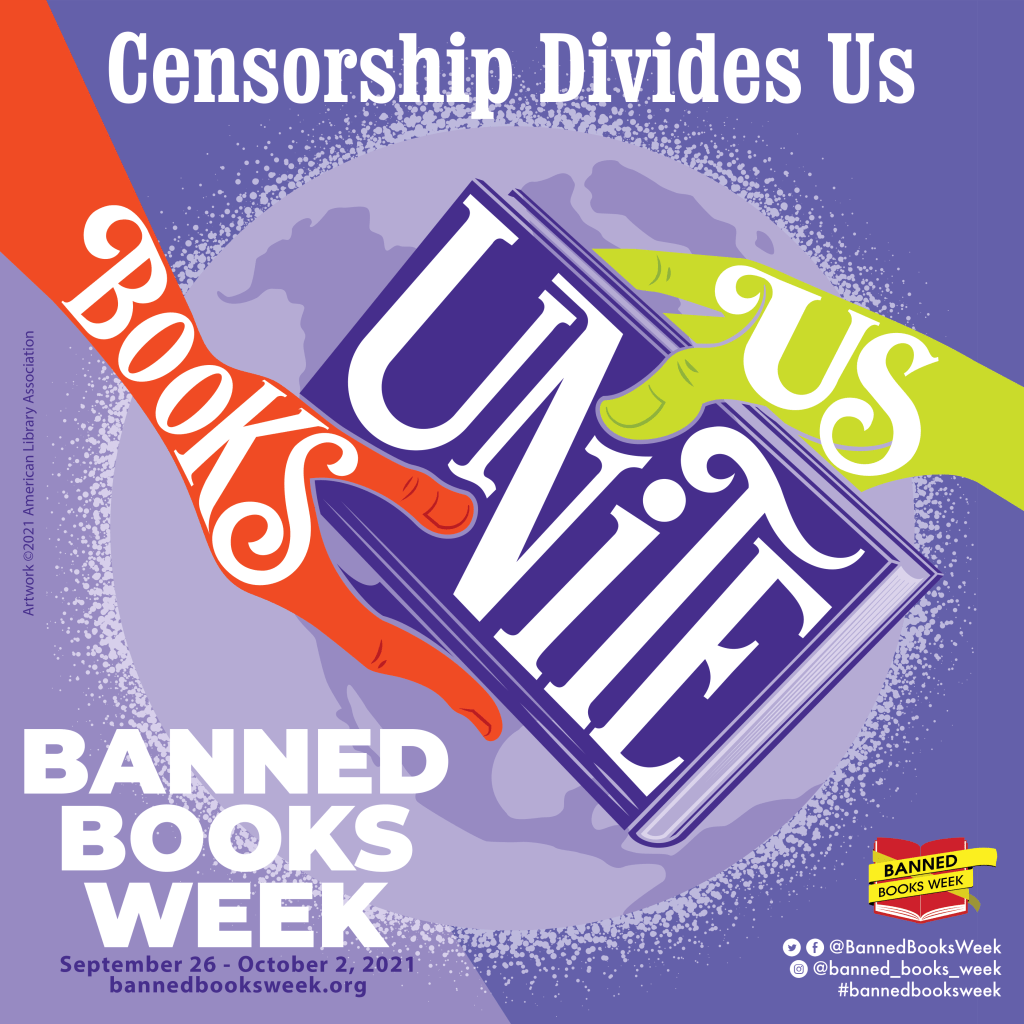
If you don’t read, they don’t need to ban books.


People need to read books for book banning to even be a thing. This idea has been expressed in many different ways.

So Read. Keep reading. Read some more. Read what you want to read. Read what you decide to read.

Read for information. Read to learn. Read for fun. Read to escape. Read for entertainment. Read to experience the world from the point of view of different people. Read to cry. Read to be scared. Read to laugh.

Read to understand. Read to learn new things. Read to learn more about things you already know.

Read to learn the point of view of people that you might disagree with, even when you are certain that you will disagree with them. Read to consider new information, new evidence, new perspectives. Read critically, even skeptically, but read with an openness to change your mind when faced with rational and logical reasons to do so.

Read for whatever reason you decide. Stand up for your freedom to decide for yourself what you want to read.

That doesn’t mean you should read anything and everything. People that care about you might know why reading some things, at certain times, might not be so good for you. You might decide not read some books because of your age, maturity, or history. Some books might not be right for you because of your current mental or emotional health. Perhaps some material has nothing to offer you of any value. But that is for you to decide in cooperation with the people that you trust. That is not for other people, other groups, organizations or governments to decide for you.

People try to ban books because they don’t want you to read those books. If you don’t read books to begin with, you are doing their work for them.
Book Banning: Not Just History but Current Events


It can be tempting to think of the banning of books as something that happened in the past, only by extremely conservative types, or in authoritarian regimes. Sadly, book banning is alive and well here and now. Sure, it is not shocking that anti-democratic governments in places like China, Russia, Iran, Hungary or Venezuela strictly control the flow of information and literature. Yet in our society, where we make claims on being champions of democracy and freedom, book banning is on the rise.

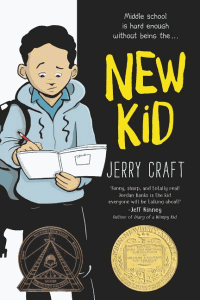
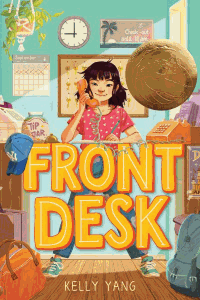
Kara Yorio writes in School Library Journal: “It has been a busy Banned Books Week, as the stepped-up challenges to books and their authors continue,  with books by kid lit creators Jerry Craft and Kelly Yang added to the list of titles some parents claim are objectionable.” Read the rest of this article.

Meanwhile “Ruby Bridges Goes to School” has been targeted by book banners as well. Author Ruby Bridges recounts the true story of her experiences as a 6 year old girl who became the first black student to attend a formerly whites only public school. An organized group of parents wanted their local school board to ban this book, “for supposedly “explicit and implicit anti-American, anti-white” bias (source).” Read more in this Miami Herald article.

Here are four of the most challenged books from the last year, all available in our school library:

  • George by Alex Gino. Challenged, banned, and restricted for LGBTQIA+ content, conflicting with a religious viewpoint, and not reflecting “the values of our community.”
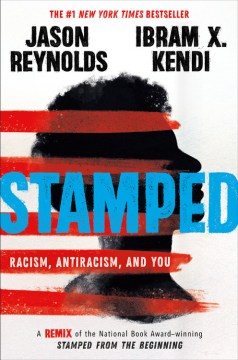
  • Stamped: Racism, Antiracism, and You by Ibram X. Kendi and Jason Reynolds. Banned and challenged because of the author’s public statements and because of claims that the book contains “selective storytelling incidents” and does not encompass racism against all people.
  • All American Boys by Jason Reynolds and Brendan Kiely. Banned and challenged for profanity, drug use, and alcoholism and because it was thought to promote antipolice views, contain divisive topics, and be “too much of a sensitive matter right now.”
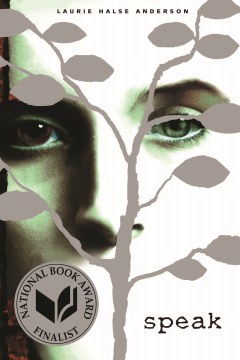
  • Speak by Laurie Halse Anderson. Banned, challenged, and restricted because it was thought to contain a political viewpoint, it was claimed to be biased against male students, and it included rape and profanity.

Read the rest of the “The Top 10 Challenged Books of 2020” from the American Library Association.

Libraries Rock Bigtime

Celebrate Libraries in October


October is a big month for libraries.

October is International School Library Month.

October is Canadian Library Month.

October 15 is Canadian Library Workers’ Day

October 22 is the BCTLA Conference

October 25 is BC School Library Day and Canada School Library Day

October 25 is Drop Everything and Read

Check back here for more info, and visit us in person, as we party all month in the School Library.


National Day for Truth and Reconciliation


Our school will be closed tomorrow, September 30th, 2021, in observance of the National Day for Truth and Reconciliation. Please be sure to take some time to consider why this is more than just a day off from school. Learn more about what “Truth and Reconciliation” means. Learn more about the history of the residential schools system and the horror of its legacy, the effects of which are still felt in Canada now and will be into the foreseeable future.

Listen to Phyllis Webstad tell her story, learn more about residential schools, the history of Orange Shirt Day, and the National Day for Truth and Reconciliation
(source: orangeshirtday.org)


Education is a vital piece in the pursuit of Truth and Reconciliation. Here are links to just some of the many online resources that are available so that you can learn more.


Find out more:

Orange Shirt Day


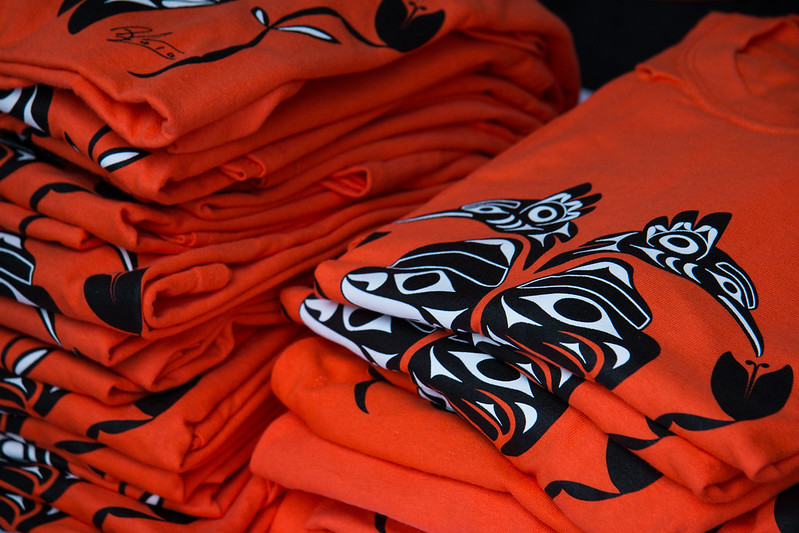
Thursday is the National Day for Truth and Reconciliation, in recognition of the terrible history and ongoing legacy of Residential Schools in Canada.  School will be closed tomorrow, so today we observe Orange Shirt Day.   

Listen, read, watch, discuss and learn about the impact of Residential Schools on Indigenous Peoples and on all of Canadian society.  Encourage all Canadians to join together in the attempt to follow a path of Reconciliation.

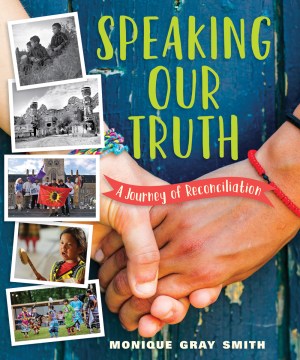
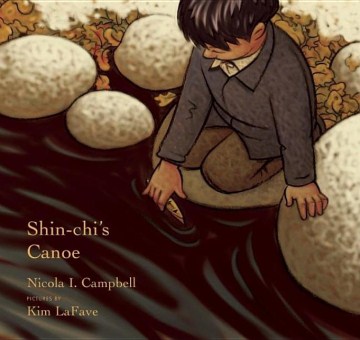
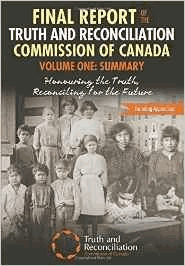
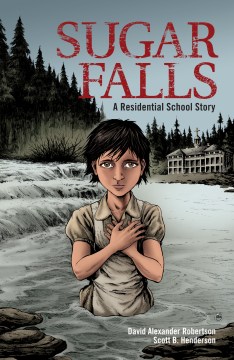
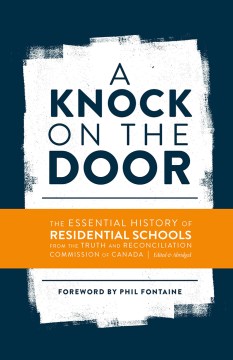
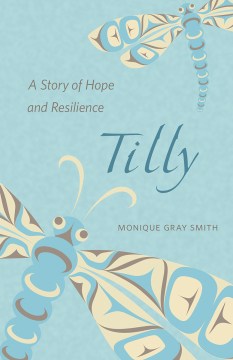
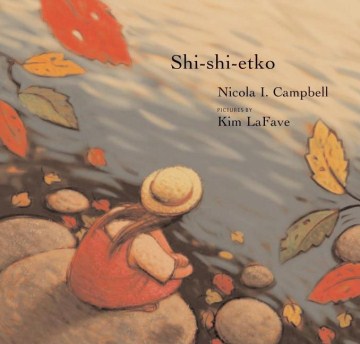
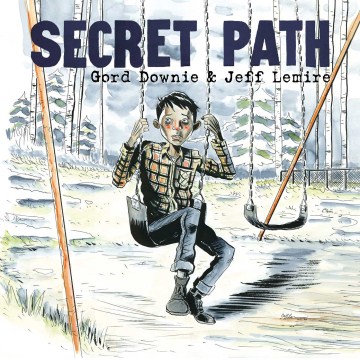
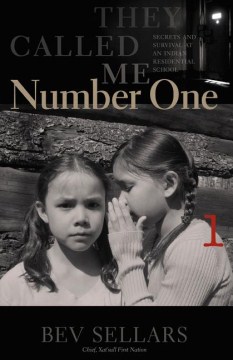
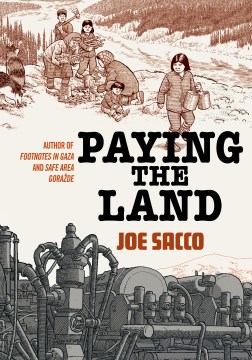
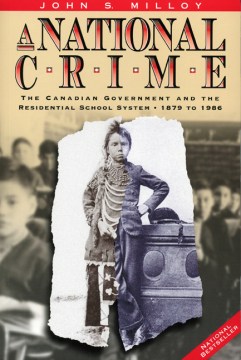
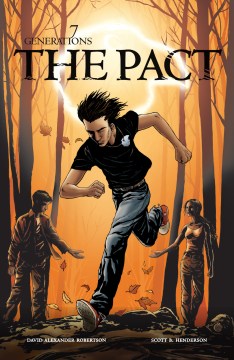
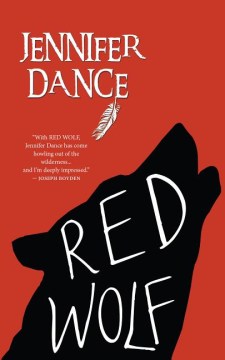
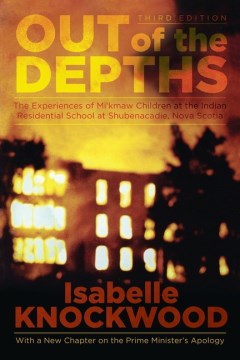
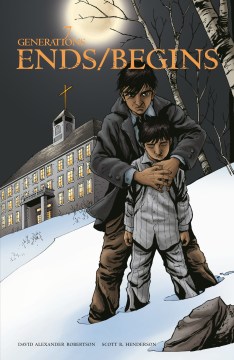
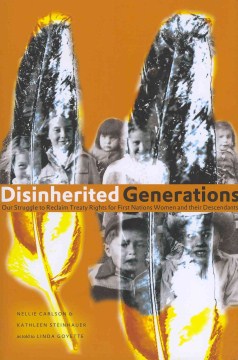
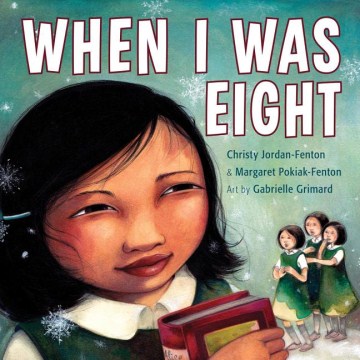
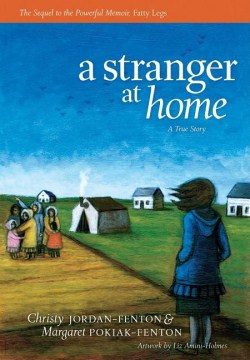
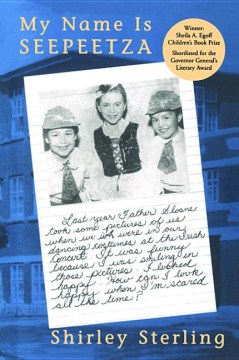
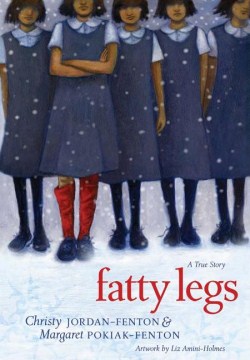
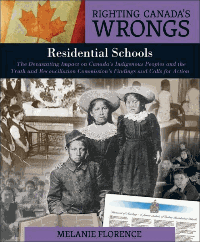
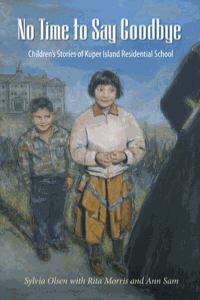
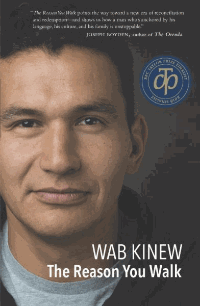
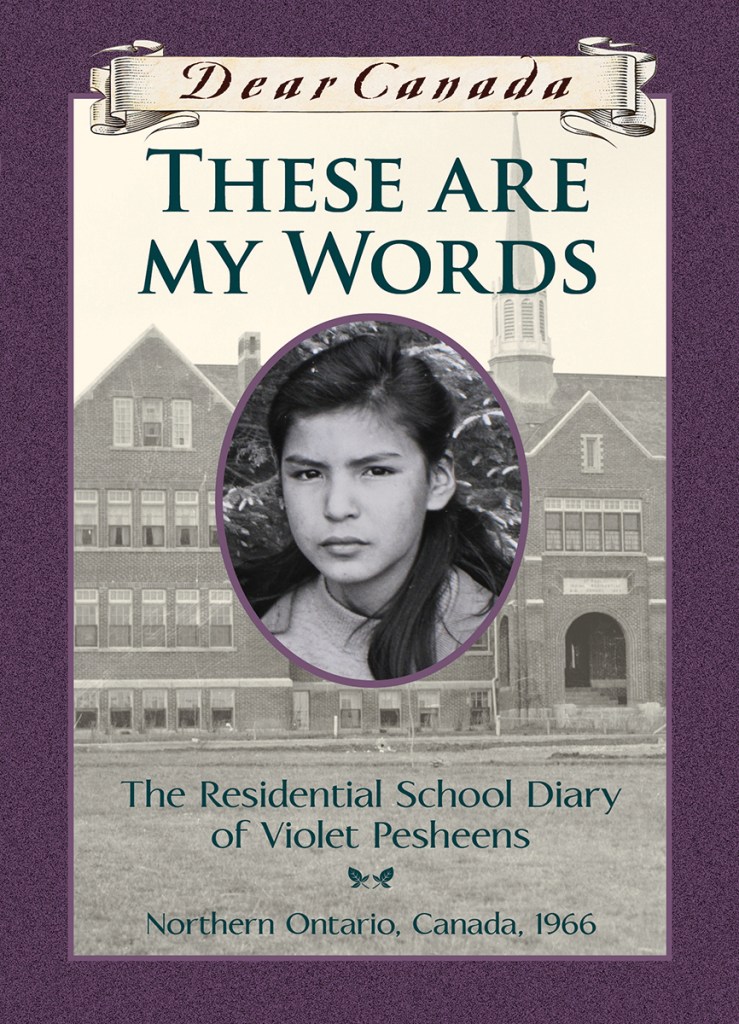
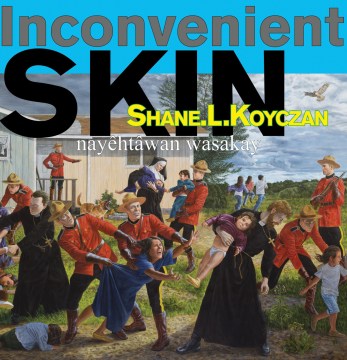
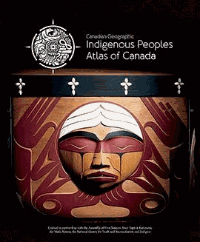
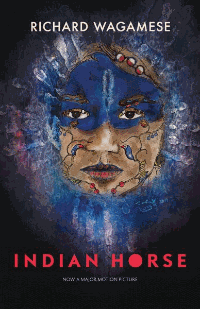
Come down to the School Library to browse through our collection of materials related to Orange Shirt Day:


You can also browse through this Destiny Collection on your computer, phone or other device by clicking here.

Orange Shirt Day


Wear an orange shirt to school on Wednesday, September 29

September 30th is Truth and Reconciliation Day in Canada. Our school, most public institutions around the province, and many public institutions around the country, will be closed. At Lord Tweedsmuir Secondary, we encourage all students and staff to wear an orange shirt in school on Wednesday, September 29, as well as on September 30th.

source: Province of British Columbia

The National Day for Truth and Reconciliation was established as the Canadian government’s formal recognition of the importance of Orange Shirt Day, observed on September 30 over most of the last decade, as part of the overall effort of raising awareness and provoking discussion about the impact of Residential Schools in Canada, and finding the path toward reconciliation.

International Day of Peace


source: un.org

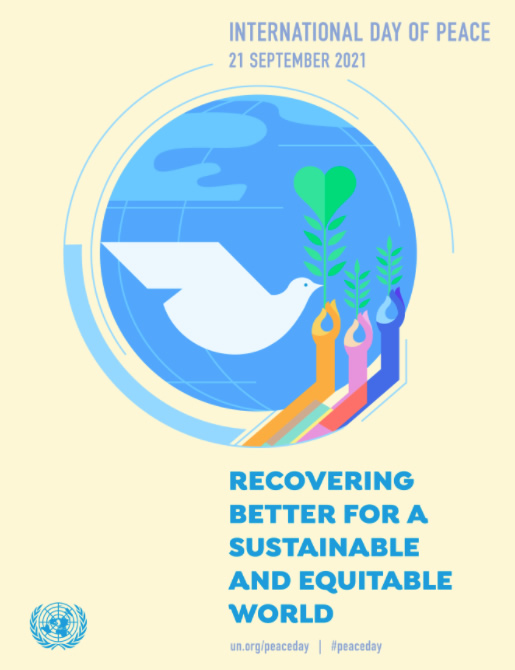
The International Day of Peace, established by the United Nations in 1981, is observed every September 21.  According to un.org:

“The UN General Assembly has declared this as a day devoted to strengthening the ideals of peace, through observing 24 hours of non-violence and cease-fire.

In 2021, as we heal from the COVID-19 pandemic, we are inspired to think creatively and collectively about how to help everyone recover better, how to build resilience, and how to transform our world into one that is more equal, more just, equitable, inclusive, sustainable, and healthier.

The pandemic is known for hitting the underprivileged and marginalized groups the hardest. By April 2021, over 687 million COVID-19 vaccine doses have been administered globally, but over 100 countries have not received a single dose. People caught in conflict are especially vulnerable in terms of lack of access to healthcare.”

Read the rest of this statement at UN.org


 Find out more about the International Day of Peace:


source: wildernesscommittee.org

Yom Kippur

rhandyk

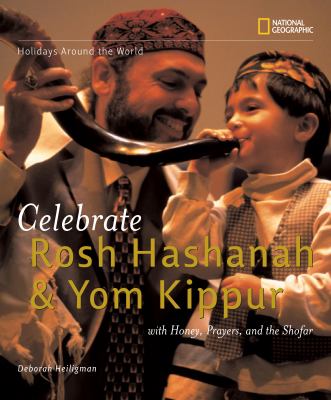
Yom Kippur, or the “Day of Atonement”, is the holiest day on the Jewish Calendar. For devout Jews in Canada and around the world, Yom Kippur is the most important Holiday, beyond Hanukkah or even the Passover. Many Jews will spend the entire day in fasting, praying and other observances.

In 2021 Yom Kippur begins at sundown on September 15, and ends at nightfall on September 16. (This is according to the Gregorian Calendar, while the Jewish Calendar is at year 5782.)


Find out more:

What is Yom Kippur? (Chabad.org)

My Jewish Learning

History.com

National Geographic