In last week’s “School Library FAQ” we asked, “What is fiction? What is nonfiction?” Those are complex ideas and are most certainly “Frequently Asked Questions” that we have dealt with many times. Use the site menu or click here to go to our site FAQ page to see one answer that we came up with.
This week’s School Library FAQ: “How do I borrow a book? Where do I go and what do I need?”
Take some time to think about it. Click on “Leave a Comment” below to share your answer. Check back for a future School Library FAQ. We will also have a new question or two for you.
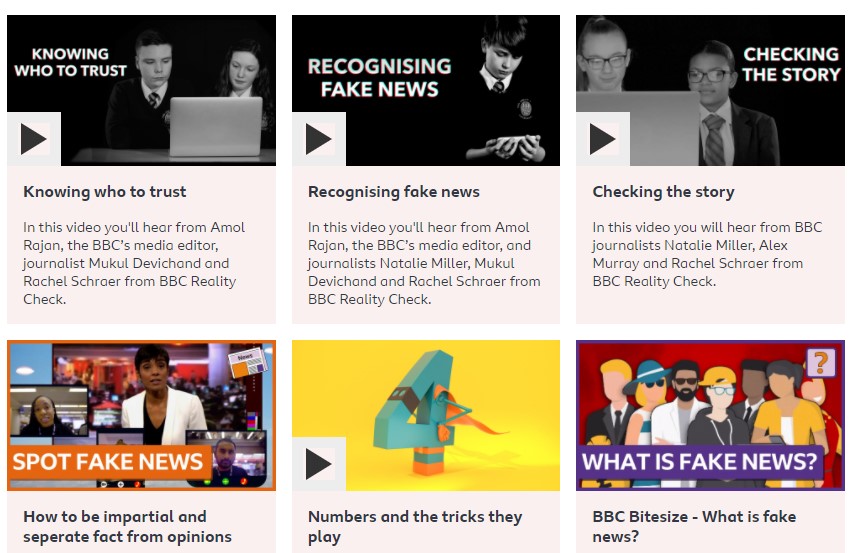
There are many good resources available to help students learn more about how to find reliable sources of information. One of those is the BBC’s “Real News” which has materials that “aim to help secondary school students (11 to 18-year-olds) examine critically information they receive online through websites, social media, pictures and data and to develop skills and methods to help determine what is real.”
What is fiction? What is nonfiction? Even many Grade 12 students still have difficulty answering these questions. Give it some thought. Click on “Leave a Comment” (below) to share your answers. Check back for some of our answers in the next “School Library FAQ.”
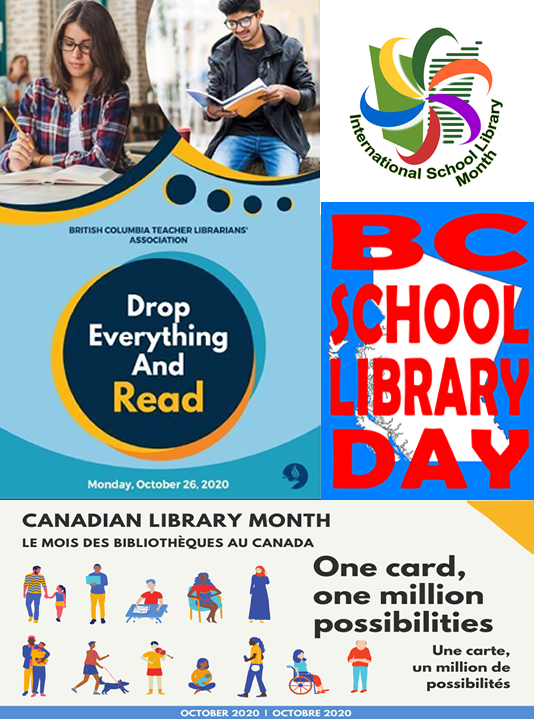
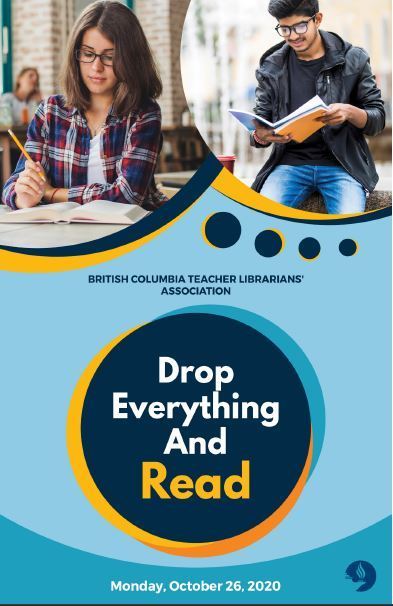
Today is BC School Library Day. Help celebrate the day, and more importantly the power and joy of reading, by rising up to the “Drop Everything and Read” Challenge.
Students, teachers and all staff at Lord Tweedsmuir are challenged to take at least 20 minutes during Block A this morning for recreational reading. That means put away the textbooks, take a break from the lessons, set aside the homework, end the conversations, put your phone in your backpack, and sit back for some silent, uninterrupted reading.
Read for fun, read to escape, read to be scared, or to laugh, or to learn something you want to learn about. Read something you choose because you will enjoy it. Read for reading’s sake.
If parents or somebody asks you why you were reading for fun instead of doing school work, you can tell them, you were doing both. Students who read more for fun do better in school.
Should teachers set aside time during the school day for kids to read for pleasure?
Yes.
Should schools do more to encourage kids to become recreational readers?
Yes.
Will there be enough of a payoff for our education system even if it means less time spent on other things?
Yes.
The answer to all these questions is most certainly yes.
Reading for pleasure, recreational reading, free voluntary reading, personal reading– whatever you want to call it– is built upon the intrinsic goal of reading because it directly benefits the reader: Reading for the sake of reading. Yet there are myriad indirect benefits that come from recreational reading, many of which lead to profoundly positive educational outcomes.
Source: Freepik
A teacher should care that a student reads for pleasure, because reading brings pleasure to the student! However, more than that, a teacher can also point to so many other benefits that come from recreational reading that will pay off in terms of academic achievement, social learning and character education.
If teachers (or parents, or administrators) are worried that the kids are missing out on valuable educational lessons, please remember this: Students who read more for pleasure will do better in school. Recreational reading has many, many indirect educational benefits to students. Students who do more recreational reading will see improvements in vocabulary, writing skills, grammar, spelling, comprehension, critical thinking, concentration and so many other skills that are essential to one’s overall education.
Moreover, students who read more for pleasure will grow in social and emotional learning, as students can share in the experiences of different people, growing in empathy and understanding for people all backgrounds, ages, genders, orientations, beliefs and cultures.
As if those weren’t enough reasons for reading, here are some more. Reading books can help mitigate against the harmful effects of too much time spent on phones and in front of other screens. One simple and yet important example of this is that studies show that people who read from books or magazines before bed will sleep better than those who are looking at screens before trying to fall asleep.
There are so many reasons to read.
Schools need to do more to encourage kids to read for reading’s sake. In doing so, the school will reap the rewards of having kids who do better in school.
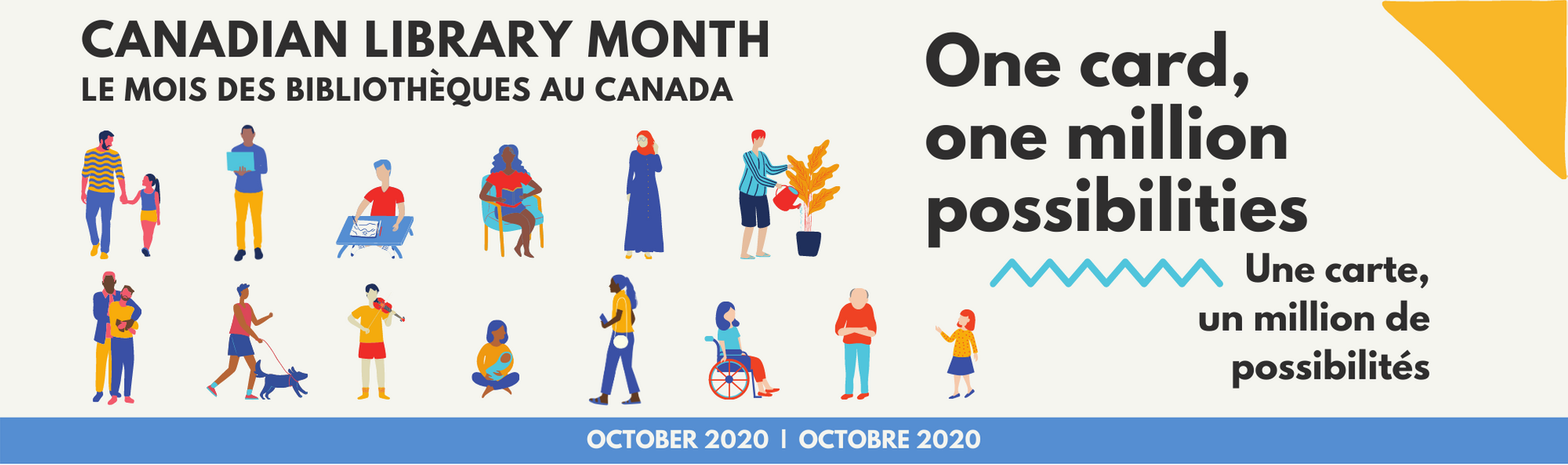
October is International School Library Month
and Canadian Library Month.
Once again the BC Teacher Librarians’ Association, in conjunction with the BCTF, has issued its annual DEAR Challenge: Drop Everything and Read, on BC School Library Day, Monday, October 26th.
All students and staff in are challenged to read for 20 minutes in Block A on October 26th. Put aside the textbooks, put away the phone, turn off the computer, and don’t worry about the homework or the marking. Just sit back and enjoy 20 minutes of silent, uninterrupted reading.
Read something that you have picked because you want to read it, for whatever reason. Maybe you want to laugh, or cry, or be scared, or thrilled, or simply want to escape from this world for a while. Or maybe you want to learn something, explore a topic you are interested in, or discover something new.
Whatever it is that you pick, enjoy the time to read. And as a bonus, you can know that students who spend more time reading for fun, do better in school. Recreational reading is one of the best ways to improve academic performance and is one of the best predictors of academic success. You read for enjoyment and for school success– it’s win-win.
The DEAR Challenge and BC School Library Day are a part of Canadian Library Month and International School Library Month.
Come down to the School Library to have a look at this book and the other Surrey Teens Read selections for 2020-2021. You can also go online and borrow many of them as e-Books and/or Digital Audiobooks.
October is a big month for School Libraries. October is International School Library Month. Not only that, October is also Canadian Library Month. More still: October 16 is Canadian Library Workers Day. As if all that wasn’t enough, October 26 is BC School Library Day, with the annual Drop Everything and Read Challenge.
Look for more information about all these observances and events throughout the month of October, as we celebrate the essential role of Libraries, especially School Libraries, in our society.
Can you identify these books? These are the Top 10 Most Challenged Books of 2019, according to the American Library Association. Reply with your answers in the comments.
September 27 to October 3 is Banned Books Week. Established in 1982 and currently sponsored by the Banned Books Week Coalition, which is, in their words:
…an international alliance of diverse organizations joined by a commitment to increase awareness of the annual celebration of the freedom to read. The Coalition seeks to engage various communities and inspire participation in Banned Books Week through education, advocacy, and the creation of programming about the problem of book censorship.
You have voted, and the results are in. The winning title for 2020 Surrey Teens Read is The Wicked Deep by Shea Ernshaw.
Thanks to all the students from around Surrey who participated in Surrey Teens Read. And a special thanks goes out the committee of Teacher Librarians who make this program happen.





 Lord Tweedsmuir Secondary School Library