Jews in Canada and around the world celebrate Hanukkah starting at sundown on December 22.
The Festival of Lights is a celebration of God’s deliverance and provision. The event began in remembrance of Maccabean revolt in the 2nd Century BCE, when the Hebrews recaptured the Temple in Jerusalem, the spiritual centre of Judaism. Each candle of the Menorah is lit, one per day for the 8 day Festival.
Like all Jewish Holy Days, which follow the lunar Hebrew Calendar, Hanukkah can occur anytime from late November to late December according to the Gregorian Calendar. This year Hanukkah will conclude on the evening of December 30.
For more information on Hanukkah, check out some of the following:
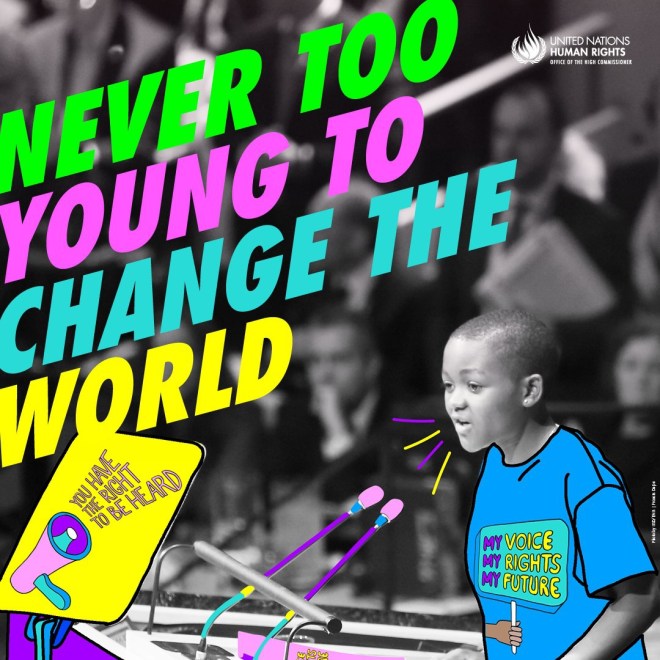
Human Rights Day is observed every year on 10 December — the day the United Nations General Assembly adopted, in 1948, the Universal Declaration of Human Rights (UDHR): a milestone document proclaiming the inalienable rights which everyone is inherently entitled to as a human being regardless of race, colour, religion, sex, language, political or other opinion, national or social origin, property, birth or other status.
source: UN
The theme for Human Rights Day 2019 is “Youth Standing Up for Human Rights.” The youth of the world, including you, and the other students here at Lord Tweedmsuir, have both the right, and the responsibility, to both celebrate and defend Human Rights for all people.
On December 25, Christians in Canada and around the world celebrate the Nativity, the birth of the Christ. Christians believe that Jesus, who was born in Bethlehem, in Roman occupied Israel roughly 2000 years ago, was the Messiah, the long awaited saviour promised by God.The Hebrew word Messiah translates to Greek as Khristos, from which we get the anglicized form, Christ. Christians believe that God became one of us in the person of Jesus, or Emanuel, literally “God With Us.”Over the course of the last century, Christmas has grown from a strictly Christian festival to become a secular holiday celebrated by people of many different religions, cultures and worldviews from all over the planet. For some, Santa Claus, stockings and gift-giving are central to Christmas. To others, it is a much needed rest at the coldest and darkest time of year. Some may agree with the Grinch, who simply hated Christmas, or with Ebenezer Scrooge when he said it was a “Humbug” — although both of them changed their positions in the end!
Whether you are celebrating the birth of the Christ with your family and friends, or observe Christmas as a strictly secular event, we wish you a very Merry Christmas!
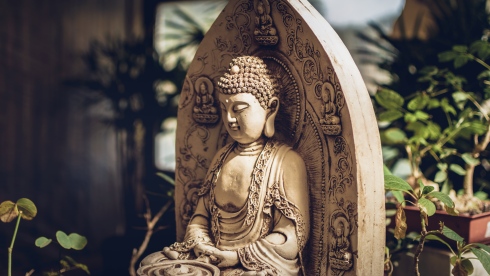
The religion known as Buddhism dates back to the 6th or 5th Century BCE, when the Indian Prince Siddhartha Gautama became the “Buddha,” literally, “the Enlightened One.” The followers of the Mahayana branch of Buddhism observe Rohatsu, or Bodhi Day, in celebration of the day that the Buddha sat below the Bodhi Tree and meditated on the meaning of life. This day is celebrated mainly by the Buddhists of northern and eastern Asia, and in countries to which those people have immigrated (such as Canada). To many this holiday is known as Bodhi Day and it occurs on the 8th day of the 12th month of the lunar year
In Japan the day is known as Rohatsu. With the Japanese adoption of the western calendar (Gregorian) Rahatsu is fixed on December 8th.
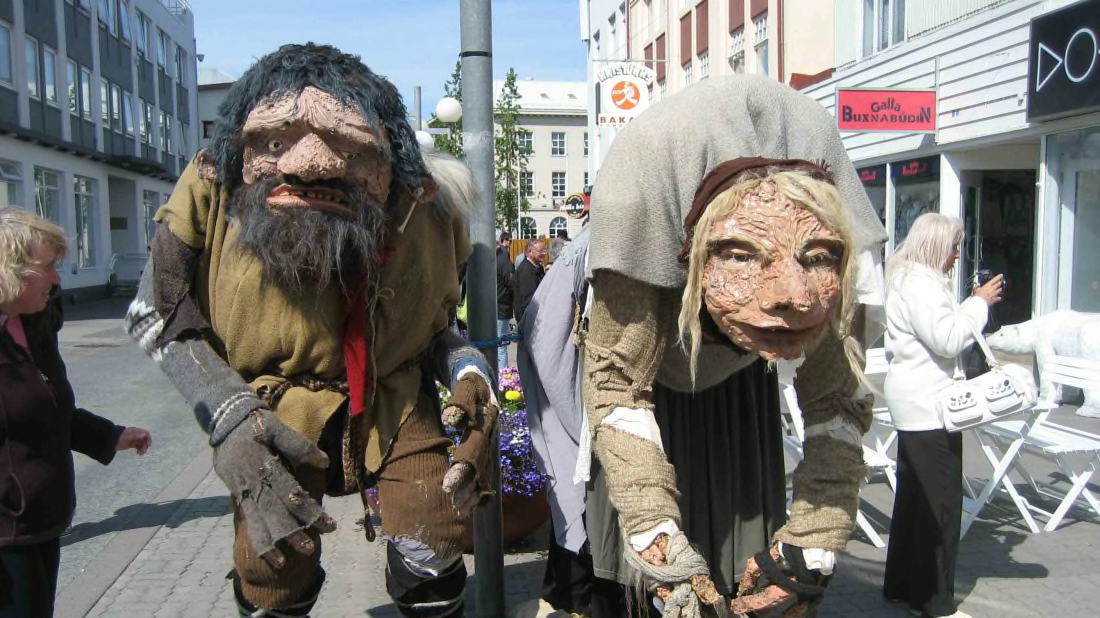
If people tell you that Santa Claus isn’t real, tell them to think again! Saint Nicholas lived in the 3rd and 4th Centuries AD(CE). He lived in what is now known as Turkey, but what was then a Greek area of the Roman Empire. The legends surrounding his life grew and evolved over the years, eventually leading to our modern picture of Santa.
In much of Europe and in many parts of the world, St. Nicholas Day is celebrated on December 6, or on another date other than Christmas.
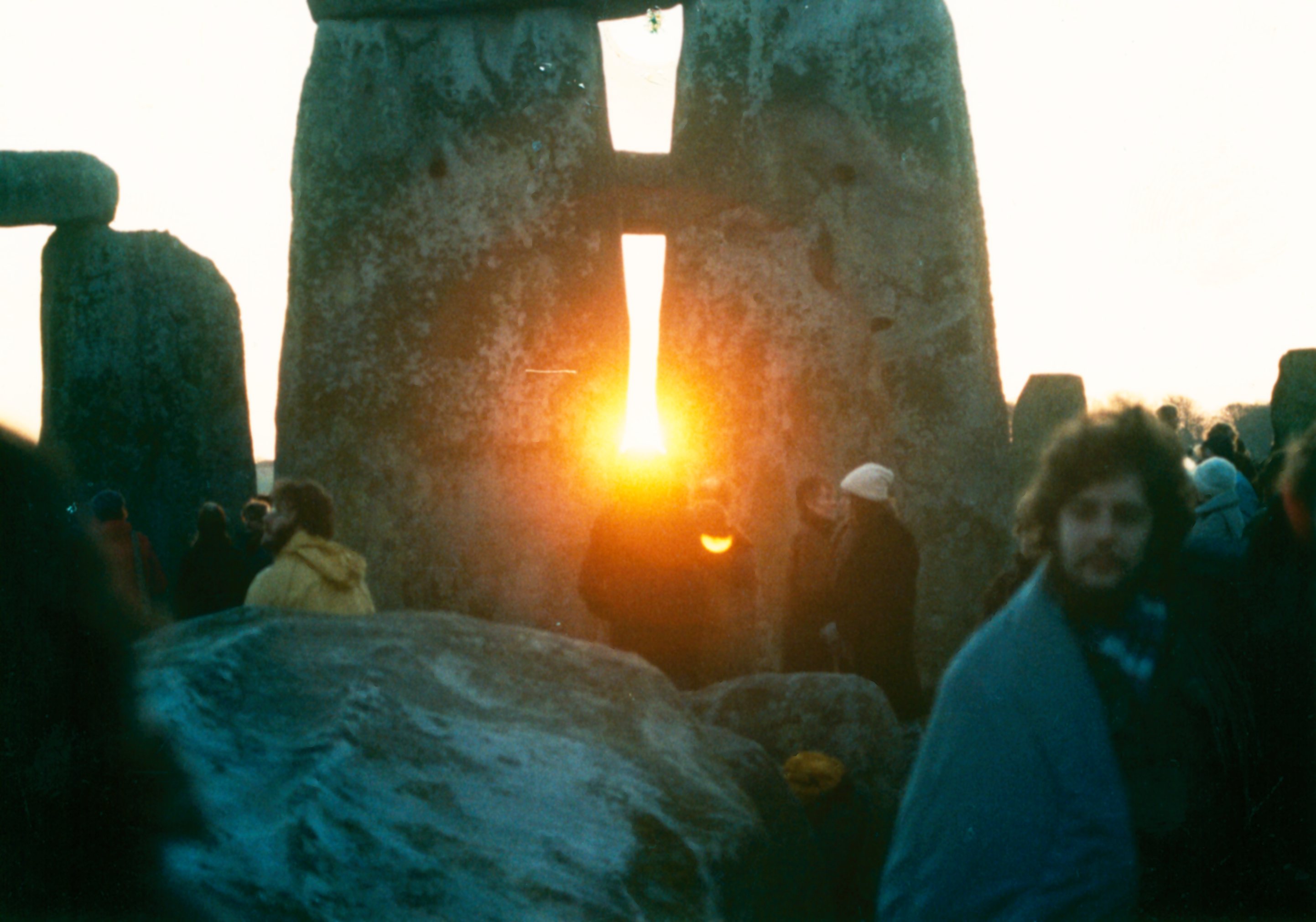
The days of Fall grow shorter and shorter, and in the Northern Hemisphere the month of December is dark and cold. The low point is the Winter Solstice, December 21st, the shortest day of the year.
In traditional pagan cultures, this time of the year represented the battle between darkness and light, between life and death. Death and darkness seem to be winning through this season. On the Solstice, the dark and cold had reached its nadir. Henceforth the days would grow longer and warmer. The darkness gives way to light, and death gives way to life. Hope is restored.
Many of the festivals and celebrations that take place at this time of year, from many different cultures, follow this theme. Yule was celebrated by many of the Germanic peoples of northern pre-Christian Europe, including such groups as the Angles, Saxons, Danes and Norse. Like many of the pagan holidays, Yule was adapted by Christian Europe and incorporated into Christmas traditions. However, followers of neopagan religions, such as Wicca, have re-established Yule as a distinct celebration.
We continue our Holiday tradition here at the LTS School Library, with our December “Holidays and Holy Days” display. Come down to see our display of materials related to Christmas, Hanukkah, Kwanzaa, Yule, the Winter Solstice, New Year’s Day and the many other festivals and celebrations that take place at this time of the year.
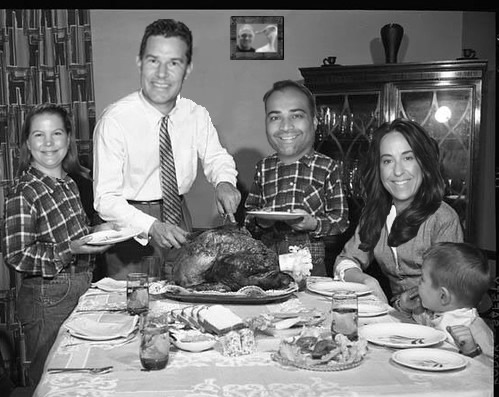
Happy American Thanksgiving to all of our neighbours, friends and family in the USA. Happy Thanksgiving to people who are celebrating all over the world, even in Canada. Who says a second day to be thankful is a bad thing?
At Lord Tweedsmuir Secondary today we have our annual assemblies to observe Remembrance Day. We honour the memory of those Canadians who have fallen in war. We do not celebrate or glorify war, but we pay respect to those that have paid the terrible costs of war.
This coming weekend will be a long weekend for students, a chance for rest and recreation. However, it is important to remember that Remembrance Day is not one of the those holidays that is just an excuse for a long weekend. Please take some time over these next few days to reflect on what Remembrance Day is all about. And on the 11th, plan to take some time to honour those that have died and those that have served. Whether you attend a ceremony in person, or check out the television coverage of the ceremony in Ottawa, take some time for Remembrance.
As October draws to a close, so does International School Library Month and Canadian Library Month. We hope you learned something about the vital role that libraries play in our country, and that school libraries play in education around the globe. Most importantly, we hope you were able to celebrate the wonderful gift of libraries by visiting some, including your local public library, and especially, your school library.
Come down to see us in person, or visit online– even though October is ending, you can make use of your school library all year long.
Take some time this weekend to think about it. Thanksgiving is more than just eating turkey, visiting family and having a Monday off. Take some time to reflect on your life and consider what you are thankful for. Count your blessings and enjoy them.








 Lord Tweedsmuir Secondary School Library